
Prepping on a Whole Food Diet

Updated: Mar 2, 2023
Thanks to current events and a state of uncertainty, prepping is a growing movement. Even if you're not concerned about the state of America today, you never know when job loss might happen or any other unexpected financial or weather emergency. I've been there. When my husband lost his job a few years ago, having a stock of food made all the difference for us and allowed us to use our monthly food budget to pay our mortgage so we wouldn't lose our house.
*This post contains affiliate links. Though I may receive a commission if you make a purchase through a link on this page, I only recommend products that I use and love*
Unfortunately, the standard prepping foods leave a lot to be desired nutritionally. 'Meals Ready to Eat' or MREs are so heavily processed that they lose a lot of their nutritional value, if they ever had any to begin with (though they may have synthetic vitamins added back in). They last for a long time and they might help you survive for awhile but you won't be feeling your best. As many who follow a whole food diet know, merely surviving isn't enough - many of us are managing chronic health conditions and would suffer greatly on less than ideal food conditions. There is a solution. There are plenty of healthy foods that are shelf stable.
Meat
Canned meats like tuna, salmon, and chicken have an exceptionally long shelf life and are packed full of healthy fats and protein. Make sure to check ingredients. Watch out for fillers and make sure fish is wild caught. Other meats can be home canned as well. I love canned venison and you could do the same with grass-fed beef. It's a great way to save on freezer space too, if buying in bulk. We have also canned homemade broth. It's nice to have on hand and freezing gallons takes up a lot of space (and time to thaw if you forget to plan ahead like me).
Vegetables and Fruit
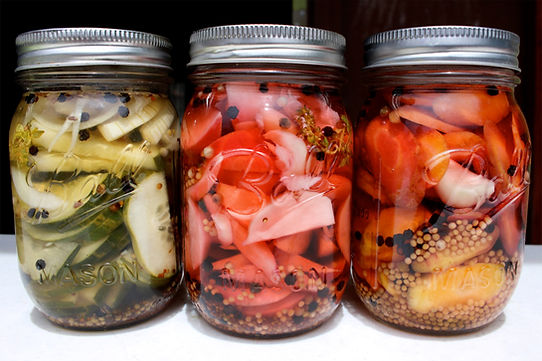
Canned peaches, pears, applesauce, green beans, tomatoes, pumpkin, olives, pickles, and coconut milk are all great options to stock up on. Most of these can easily be found organic. Watch out for added ingredients like corn syrup in fruit, gums in coconut milk, and food dye in pickles. Sprouts (such as broccoli, radish, or alfalfa) can be grown in a window sill with nothing more than seeds, water, and a mason jar. You can grow herbs and vegetables like lettuce in containers in your house, grow a garden if the season is right, and learn to forage. Dried fruit options include mango, figs, dates, raisins, goji berries, and mulberries. As always, look out for added sugar.
Nuts, Seeds, and Peanut Butter
Costco is my favorite place to stock up on all kinds of nuts, seeds, and peanut butter. Some of my favorites are walnuts, cashews, hemp seeds, and pumpkin seeds. The shelf life for nuts and seeds is usually less than a year, so make sure it's something that you eat regularly anyway and simply have an extra package on hand.
Beans and Grains
I like to keep both canned and dried beans on hand. While dried are typically more economical and take up less space, they do require cooking. Lentils are my favorite because I don't have to remember to soak them and they take much less time to cook. When buying canned beans, watch out for added ingredients. Beans, salt, and water should be the only ones. Most whole grains have a shelf life of a couple years. Rice and oats would be your cheapest options but I like to keep a little extra millet and quinoa on hand as well.
Salt and Oils
Salt is important for much more than just taste. We can't live without it and we can't forage for it (unless you happen to live by an ocean or a mine). I keep extra Redmond's Real Salt on hand and also a few boxes of canning salt. Oils are another favorite of mine to find at Costco. They have olive, avocado, and coconut oils that can all be stored for a year or two before going bad.
Condiments
Apple cider vinegar, lemon juice, honey, and maple syrup all have long shelf lives and many purposes. Ketchup and mustard are also great to have on hand. If it comes down to it - wild game (like rabbit or grouse) will go down a lot easier smothered in ketchup! I also like to keep an extra Costco size bag of dark chocolate chips around, because we all need a treat every now and then, even if times get hard.
Herbs and Herbal Medicine
While dried herbs may lose their potency after a time, they are still nice for flavor when cooking. Herbal tinctures can last for many years and retain their effectiveness. It's always a good idea to have some on hand as well as the knowledge of how to use them. This book is one of my favorites and makes a great comprehensive reference to have on hand.
Having all this food stored is great, but if you're not careful time will go by and it will all expire before you even realize it. Anybody who's ever worked in food service knows the acronym: FIFO - First In, First Out. Stock up on the shelf stable foods your family already enjoys and make sure you use the oldest items first while placing the newly bought items on the back of the shelf. Also, make sure to store items in a cool, dry, dark place; safe from animals and off the ground in case of flooding. Other items that are important not to forget include a can opener, a way to start a fire, cast iron pans (for cooking on an open fire), and water. Keeping a stock of bottled water will only last so long, it's a good idea to have a way to filter water as well.
Whatever your reasons are for prepping, it's always good to be prepared. And it can be done in a healthy, nourishing way!
*this content is not intended as a substitute for medical advice, diagnosis, or treatment*


Comments